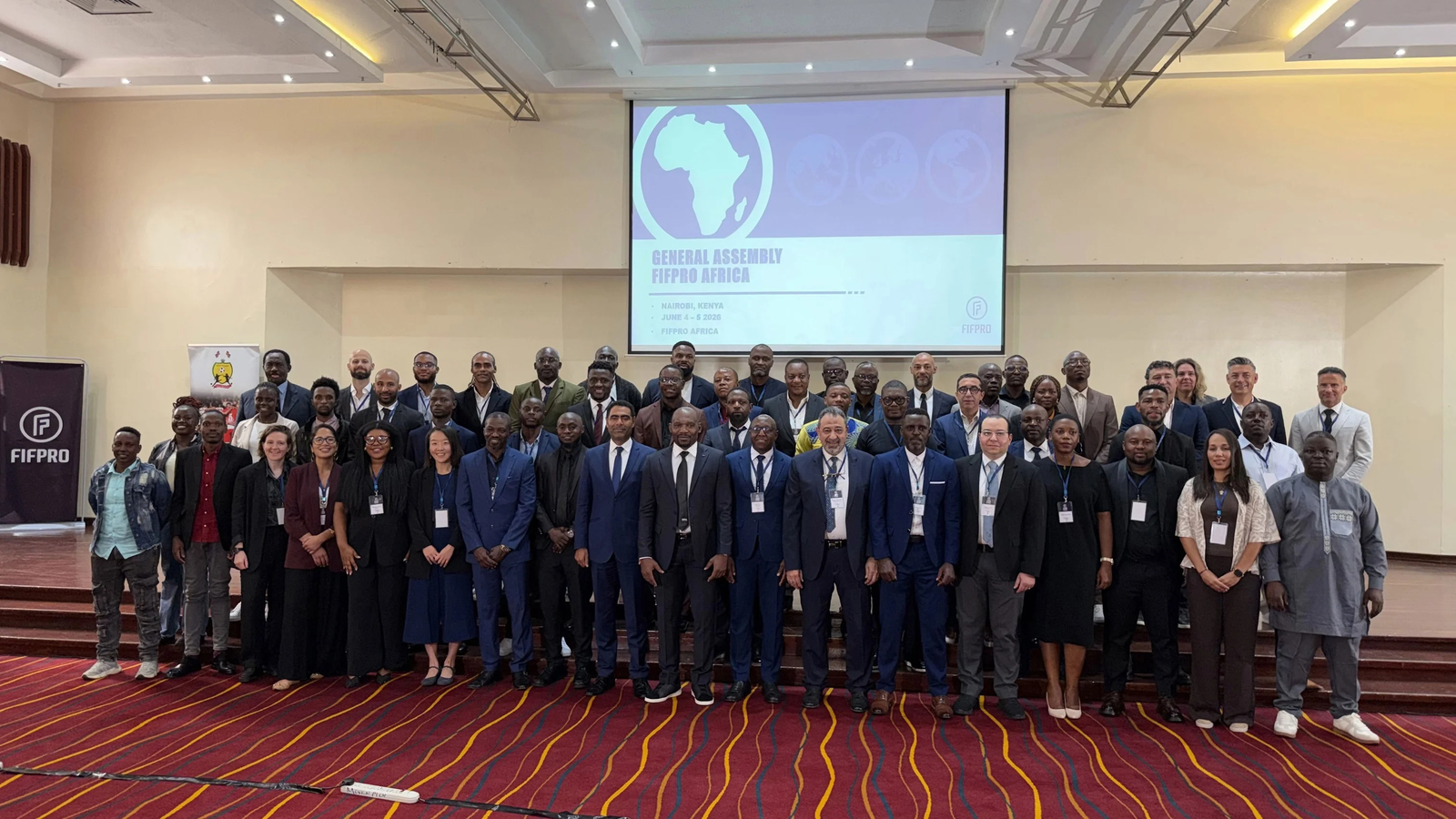
In early June, the Kenyan capital became the site of a gathering that made one thing clear: professional football is changing — and players are taking an increasingly active role in shaping that change.
On 4–5 June 2026, Nairobi hosted the FIFPRO Africa General Assembly — one of the most representative in the organisation's history. Player association representatives from 30 African countries, alongside delegates from the World Players Association, African Leagues, and the Confederation of African Football (CAF), came together for two days of discussion and strategic planning. Observer unions — organisations just beginning to build player protection structures in their countries — were also in attendance.
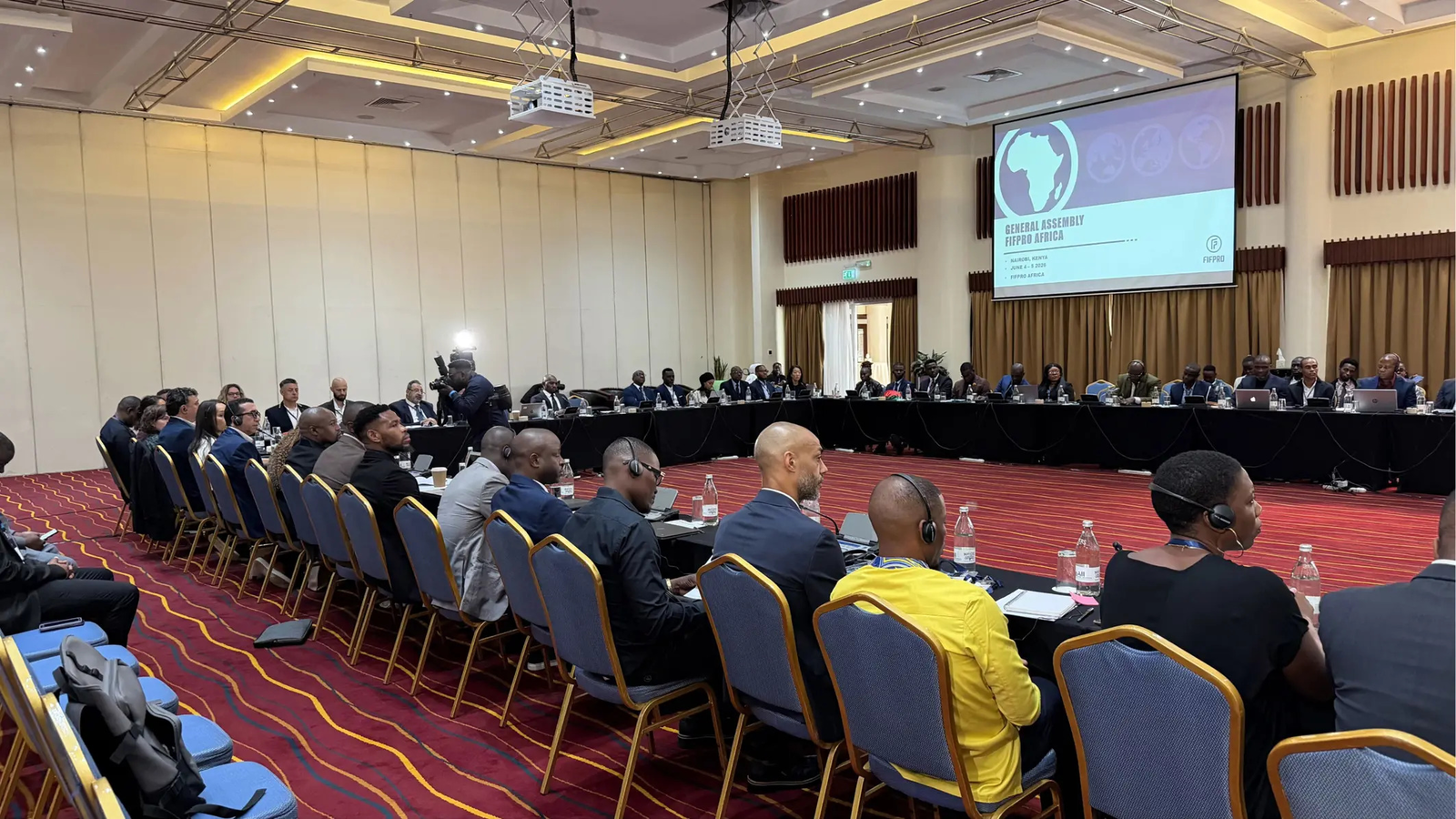
Unions from 30 countries presented national activity reports — what had been accomplished, what challenges were encountered, what progress had been made. The picture was varied: some unions are already engaged in collective bargaining with federations and leagues, while others are still building their membership base and establishing basic protection mechanisms.
Yet despite the differences in context, the issues players face are remarkably similar: precarious contracts, delayed wages, the absence of minimum labour standards, inadequate health protection, and a lack of support after retirement.
FIFPRO Africa General Secretary Kgosana Masaseng said: "Having representatives from 30 countries in one room demonstrates the strength and unity of the player voice in Africa. Our members operate in different football environments, but they share many of the same challenges. This assembly allows us to learn from one another, strengthen our collective position and continue building a future where every professional footballer in Africa is represented and heard."
Player Rights: An International Standard
One of the key presentations at the assembly came from Matthew Graham, Head of UNI World Players Association. He presented the 2026 International Labour Organization (ILO) Guidelines for Professional Athletes, which set out standards for protecting athlete rights and ensuring decent working conditions across sport.
This is significant: the ILO is the global authority on labour law, and its growing involvement in football signals that player rights are increasingly being treated not as an internal matter for federations, but as a question of international labour standards. FIFPRO has long worked alongside the ILO in precisely this direction.
Dialogue with Leagues: From Confrontation to Partnership
Another central theme was the relationship between player unions and football leagues. African Leagues representative Khaled Refaat provided an update on the Memorandum of Understanding between FIFPRO Africa and African Leagues — an agreement designed to strengthen cooperation between player representatives and league stakeholders to improve football's professional environment across the continent.
This reflects a meaningful shift: player unions and leagues are increasingly coming to the table not to confront one another, but to solve problems together. This constructive approach — dialogue over confrontation.
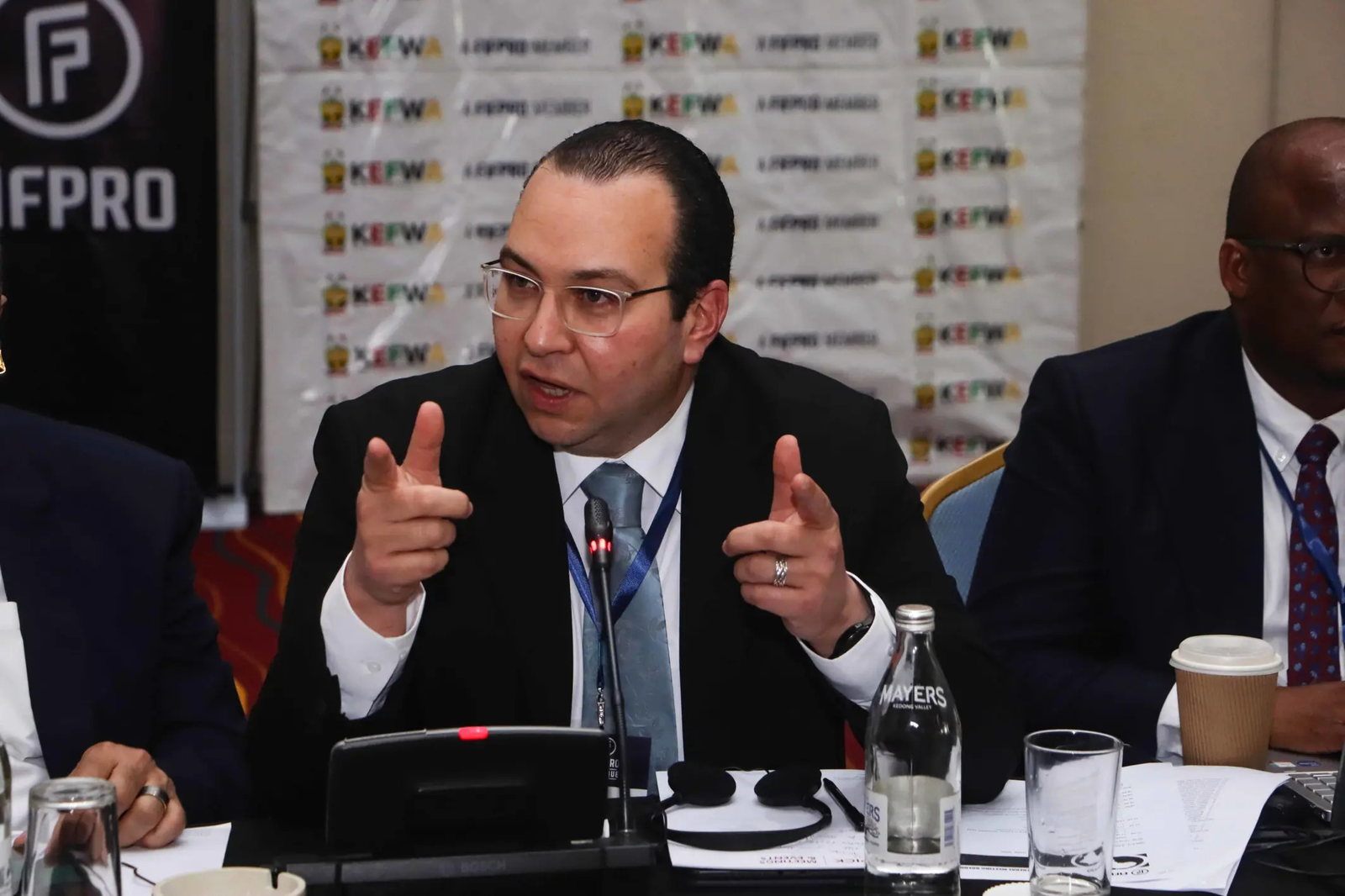
African Leagues representative Khaled Refaat
Asia in Nairobi: Shoko Tsuji Takes the Floor
Particular attention should be given to the participation of Shoko Tsuji, Secretary General of FIFPRO Asia/Oceania. Her presence at the African assembly was no coincidence: in November 2025, FIFPRO Africa and FIFPRO Asia/Oceania formalised a strategic partnership through a Memorandum of Understanding, aimed at strengthening collaboration and advancing player representation across both regions.
Tsuji shared her experience of building player union representation across the Asia-Pacific region — a region where, much like Africa, unions are at very different stages of development. Her address served as a direct bridge between the two regions: the challenges may differ, but the logic of protecting the player is the same.
Women's Football: From Words to Structure
The second day of the assembly devoted significant time to women's football. Discussions centred on the creation of the FIFPRO Africa Women's Network — a structure designed to provide systematic support for women footballers across the continent. The upcoming Women's Africa Cup of Nations (WAFCON) was also on the agenda, alongside broader initiatives to improve working conditions and opportunities for women in the game.
Women's football is one of FIFPRO's global priorities.
Player Health: Never a Secondary Issue
Player health and wellbeing held a central place in the assembly's agenda. CAF Medical Manager Dr Boubakary Sidiki presented an overview of the CAF Medical Committee's activities, while delegates received updates on FIFPRO's global health initiatives and research.
Additional sessions covered employment conditions in football, financial regulations, commercial rights, and legal strategy — in short, the full range of issues that shape a professional footballer's life beyond the pitch.
Central Asia and Kyrgyzstan: The Same Agenda
The Nairobi Assembly matters to us not simply as news from a distant continent. It is a mirror in which we can easily recognise ourselves.
The Central Asian region — Kyrgyzstan, Kazakhstan, Uzbekistan, Tajikistan — is at much the same stage as many African unions today: building the infrastructure to protect players, establishing dialogue with federations and leagues, and fostering a culture in which players know and understand their rights.
As a member of FIFPRO, APFKR (the Association of Professional Footballers of the Kyrgyz Republic) is already doing this work: contract literacy seminars, representing players in disputes with clubs, career support programmes. Nairobi shows we are moving in the right direction — and that this path does not have to be walked alone.
FIFPRO Africa President Geremie Njitap closed the assembly with these words: "Our responsibility now is to turn these conversations into tangible outcomes that strengthen player rights."
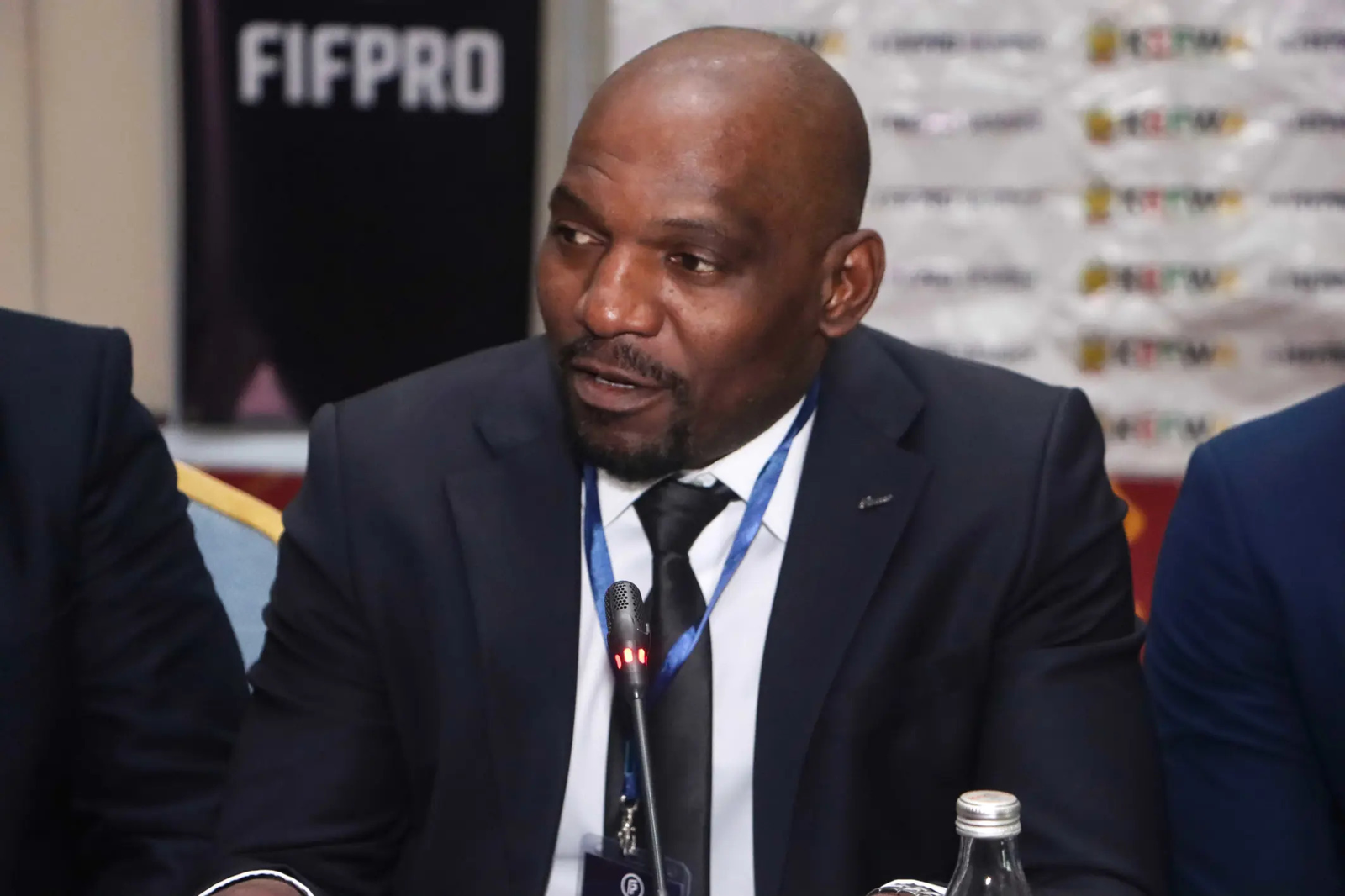
FIFPRO Africa President Geremie Njitap